
- Akcesoria zewnętrzne
- Dla kierowcy
-
Dokładki i splittery
-
Dokładki uniwersalne

-
Lotki uniwersalne

-
Abarth

-
Acura

-
Alfa Romeo

-
Aston Martin

-
Audi

-
Bentley

-
BMW

-
BYD

-
Chevrolet

-
Chrysler

-
Citroen

-
Cupra

-
Dacia

-
Datsun

-
Dodge

-
Fiat

-
Ford

-
Forthing

-
Honda

-
Hyundai

-
Infiniti

-
Jaguar

-
Jeep

-
Kia

-
Lamborghini

-
Land Rover

-
Lexus

-
Maserati

-
Mazda

-
Mercedes

-
MG

-
Mini

-
Mitsubishi

-
Nissan

-
Omoda

-
Opel

-
Peugeot

-
Porsche

-
Range Rover

-
Renault

-
Rover

-
Saab

-
Scion

-
Seat

-
Skoda

-
SsangYong

-
Subaru

-
Suzuki

-
Tesla

-
Toyota

-
Volkswagen

-
Volvo

-
- Felgi i akcesoria
- Folie samochodowe
- Fotele i akcesoria
- Foteliki dziecięce
- Gadżety
- Kosmetyki samochodowe
- Lakiery oraz chemia
- Łączniki silikonowe
- Narzędzia i wyposażenie
- Obejmy metalowe
- Odzież rajdowa
- Oleje i płyny
- Opony
- Podtlenek azotu (nitro)
- Rury / Kolanka
-
Silnik
-
ASO

-
Pozostałe

-
Akcesoria SWAP

-
Block Guard

-
Cewki zapłonowe
-
Dźwignie zaworowe

-
Elektronika

-
Filtry oleju

-
Głowice

-
Kolektory ssące

-
Koła pasowe

-
Koła rozrządu

-
Korki oleju

-
Kute korbowody

-
Kute tłoki

-
Miski olejowe

-
Miski zaworowe

-
Napinacze rozrządu

-
Oil Catch Tank

-
Oploty przewodów
-
Osłony przewodów zapłonowych

-
Osłony rozrządu

-
Panewki

-
Paski klinowe

-
Pierścienie tłoka

-
Podpory wału

-
Poduszki / łapy silnika

-
Pokrywy silnika
-
Pokrywy zaworów

-
Pompy oleju

-
Popychacze zaworowe

-
Przekładki głowicy (odprężenie)

-
Przepustnice

-
Przewody napięcia

-
Sprężynki i talerzyki zaworowe

-
Stroker kit

-
Szpilki do głowicy

-
Szpilki główne silnika

-
Śruby koła pasowego

-
Śruby koła rozrządu

-
Śruby koła zamachowego

-
Śruby korbowodów

-
Śruby silnika

-
Świece zapłonowe

-
Tuleje cylindrów

-
Tuleje korbowodowe

-
Tuleje wałka rozrządu

-
Tuleje zaworowe

-
Układ olejowy

-
Uszczelki

-
Uszczelki głowicy

-
Uszczelki kolektora dolotowego

-
Uszczelki pokrywy zaworów

-
Uszczelki pompy oleju

-
Uszczelniacze silnika

-
Wałki rozrządu

-
Wały korbowe

-
Zabezpieczenia zaworowe

-
Zakrętki magnetyczne

-
Zaślepki EGR / kolektorów ssących

-
Zawory

-
Zestawy uszczelek silnika

-
Zestawy uszczelniaczy zaworowych

-
- Termoizolacja
- Turbo i akcesoria
- Układ chłodzenia
-
Układ dolotowy
-
Dedykowane układy dolotowe

-
Filtry stożkowe

-
Zestawy czyszczące

-
Adaptery na przepływomierz

-
Airboxy

-
Akcesoria

-
Filtry gąbkowe

-
Filtry motocyklowe

-
Filtry odmy

-
Kolanka, łączniki, redukcje

-
Osłony filtra powietrza

-
Wkładki BMC

-
Wkładki D1Spec

-
Wkładki FigerSPEC

-
Wkładki Forge

-
Wkładki HKS

-
Wkładki K&N

-
Wkładki motocyklowe

-
Wkładki PRORAM

-
Wkładki RAMAIR

-
Wkładki Simota

-
Wkładki TA Technix
-
- Układ hamulcowy
- Układ napędowy
- Układ paliwowy
-
Układ wydechowy
-
Przepustnice wydechu

-
Budowa tłumików

-
Catback

-
Downpipe

-
Elementy kolektora

-
Emulatory sondy lambda

-
Flansze płaskie

-
Flansze, przejściówki

-
Hi-Flow Cat

-
Katalizatory

-
Kolektory wydechowe

-
Końcówki wydechu

-
Lakiery
-
Łączniki elastyczne

-
Nakrętki i szpilki

-
Pasty montażowe

-
Silencery

-
Strumienice

-
Tłumiki

-
Uszczelki wydechowe

-
Wieszaki

-
X-pipe, Y-Pipe

-
Złącza wydechu
-
-
Wyposażenie wnętrza
-
Gałki zmiany biegów

-
Akcesoria ozdobne JDM

-
Carbon

-
Dekory

-
Deski rozdzielcze

-
Dystanse maski

-
Elementy carbonowe

-
Inne

-
Kierownice sportowe

-
Kołki montażowe

-
Ładowarki samochodowe

-
Łopatki zmiany biegów

-
Maty wygłuszające

-
Naby (montaż kierownicy)

-
Nakładki na pedały

-
Osłony przeciwwietrzne

-
Oświetlenie Ambiente

-
Panele drzwi

-
Panele Firewall

-
Pasy przednie

-
Podstopnice

-
Pokrywy silnika

-
Quick Release

-
Ramki drążka zmiany biegów

-
Systemy gaśnicze
-
Uchwyty akumulatorów

-
Uchwyty chłodnicy

-
Włączniki

-
-
Zawieszenie
-
Zawieszenia Gwintowane

-
Sprężyny

-
Zawieszenia sportowe

-
Poliuretany

-
Adaptery skrętu

-
Air Jacks

-
Akcesoria Wisefab

-
Amortyzatory

-
Camber Plates

-
Camber Shims
-
Coil Over Kits

-
Inne

-
Klatki i rollbary

-
LCA - Camber Shims
-
Łączniki stabilizatora

-
Pneumatyka

-
Rozpórki kielichów

-
Stabilizatory

-
Tuleje uniball

-
Wahacze

-
Zestaw skrętu

-
- Zegary i wskaźniki










































































































































































































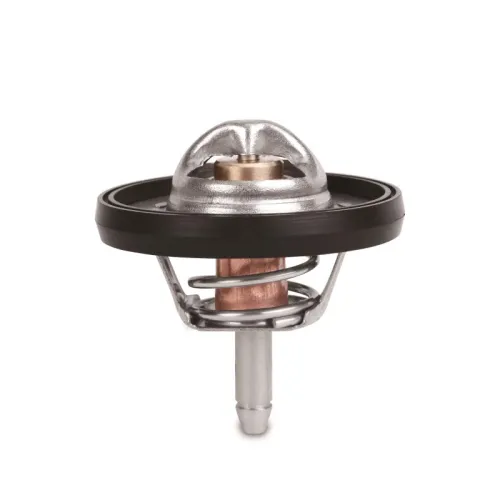
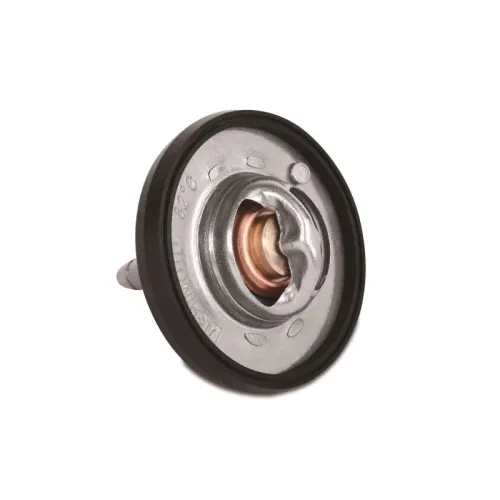
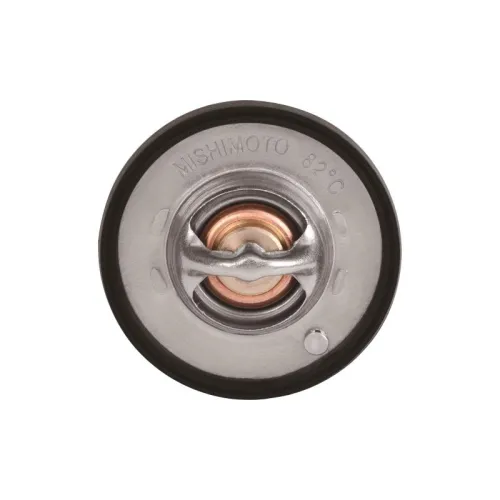

Termostat Jeep Grand Cherokee 1999–2010 82°C Mishimoto
Termostat sportowy Mishimoto przeznaczony do zastosowań w pojazdach Dodge i Jeep, w szczególności z silnikami 3,7 l oraz 4,7 l. Otwiera się przy temperaturze około 82,2°C, niższej niż wskazane w opisie źródłowym około 90,6°C dla standardowego termostatu. Dzięki temu płyn chłodniczy zaczyna wcześniej przepływać przez silnik, co pomaga ograniczać wysoką temperaturę pracy. Rozwiązanie jest przeznaczone zarówno do codziennej jazdy, jak i użytkowania pojazdu podczas holowania.
Najważniejsze cechy:
- Przeznaczony m.in. do Jeepa Grand Cherokee z silnikami 3,7 l i 4,7 l z roczników 1999–2010; szczegółowe wersje i lata podano w sekcji zastosowania.
- Niższa temperatura otwarcia umożliwia wcześniejszy przepływ płynu chłodniczego i pomaga utrzymać niższą temperaturę silnika.
Dane techniczne:
- Zastosowania wymienione w specyfikacji: Chrysler Aspen 4,7 l 2007–2009; Dodge Dakota 3,7 l / 4,7 l 2000–2011; Dodge Durango 3,7 l / 4,7 l 2000–2009; Dodge Nitro 3,7 l 2007–2011; Dodge Ram 1500 3,7 l / 4,7 l 2002–2013; Jeep Commander 3,7 l / 4,7 l 2006–2010; Jeep Grand Cherokee 3,7 l / 4,7 l 1999–2010; Jeep Liberty 3,7 l 2002–2012; Mitsubishi Raider 3,7 l / 4,7 l 2006–2009. Szczegółowe rekordy dopasowania, w tym wersje i inne pojemności silników występujące w danych, znajdują się poniżej.
- Oznaczenie silnika: 3.7L PowerTech.
- Zawartość: 1 termostat Mishimoto.
- Stopień trudności montażu: 2.
Zastosowanie:
- Chrysler Aspen Limited: 2007–2009 — 4,7 l V8 lub 5,7 l V8; Limited Hybrid: 2009 — 5,7 l V8.
- Dodge Dakota Base: 2000–2003 — 3,9 l V6 lub 4,7 l V8; 2000–2002 — 2,5 l; 2004 — 3,7 l V6.
- Dodge Dakota Sport: 2000–2008 — 4,7 l V8; 2000–2003 — 3,9 l V6 lub 5,9 l V8; 2000–2002 — 2,5 l; 2004–2008 — 3,7 l V6.
- Dodge Dakota SLT: 2000–2008 — 4,7 l V8; 2000–2003 — 3,9 l V6 lub 5,9 l V8; 2000–2001 — 2,5 l; 2002 — silnik nieokreślony; 2004–2008 — 3,7 l V6.
- Dodge Dakota R/T: 2000–2003 — 5,9 l V8.
- Dodge Dakota SXT: 2002 — silnik nieokreślony, silnik V8 o niepodanej pojemności lub 3,9 l V6; 2004–2008 — 3,7 l V6; 2008 — 4,7 l V8.
- Dodge Dakota Sport Plus: 2004 — 3,7 l V6 lub 4,7 l V8; SLT Plus: 2004 — 3,7 l V6 lub 4,7 l V8.
- Dodge Dakota Laramie oraz ST: 2005–2010 — 3,7 l V6 lub 4,7 l V8.
- Dodge Dakota TRX4: 2008–2009 — 3,7 l V6; 2008–2010 — 4,7 l V8. TRX: 2008 — 3,7 l V6 lub 4,7 l V8.
- Dodge Dakota Big Horn oraz Lone Star: 2009–2010 — 3,7 l V6 lub 4,7 l V8.
- Dodge Durango Base: 2000–2001 — 4,7 l V8 lub 5,9 l V8; 2000 — 5,2 l V8.
- Dodge Durango SLT Plus: 2000–2003 — 4,7 l V8 lub 5,9 l V8; 2000 — 5,2 l V8.
- Dodge Durango SLT: 2000–2009 — 4,7 l V8; 2000–2003 — 5,9 l V8; 2000 — 5,2 l V8; 2004–2009 — 3,7 l V6 lub 5,7 l V8.
- Dodge Durango Sport: 2000–2003 — 4,7 l V8 lub 5,9 l V8; 2000 — 5,2 l V8. R/T: 2000–2003 — 5,9 l V8.
- Dodge Durango SXT: 2003–2008 — 4,7 l V8; 2003 — 5,9 l V8; 2005–2008 — 3,7 l V6; 2007 — 5,7 l V8.
- Dodge Durango Limited: 2004–2009 — 4,7 l V8 lub 5,7 l V8. Limited Hybrid: 2009 — 5,7 l V8.
- Dodge Durango ST: 2004–2005 — 3,7 l V6 lub 4,7 l V8; 2005 — 5,7 l V8.
- Dodge Durango Adventurer: 2006–2008 — 4,7 l V8 lub 5,7 l V8. SE: 2009 — 3,7 l V6, 4,7 l V8 lub 5,7 l V8.
- Dodge Nitro R/T: 2007–2009 — 4,0 l V6.
- Dodge Nitro SLT: 2007–2008 — silnik V6 o niepodanej pojemności; 2007–2009 — 3,7 l V6.
- Dodge Nitro SXT: 2007–2011 — 3,7 l V6; 2010–2011 — 4,0 l V6. SE: 2009–2011 — 3,7 l V6.
- Dodge Nitro Shock oraz Detonator: 2010–2011 — 4,0 l V6. Heat: 2010–2011 — 3,7 l V6 lub 4,0 l V6.
- Dodge Ram 1500 SLT: 2002–2003 — 3,7 l V6 lub 5,9 l V8; 2002–2010 — 4,7 l V8; 2003–2010 — 5,7 l V8.
- Dodge Ram 1500 ST: 2002–2010 — 3,7 l V6 lub 4,7 l V8; 2002–2003 — 5,9 l V8; 2003–2010 — 5,7 l V8; 2009 — silnik V8 o niepodanej pojemności.
- Dodge Ram 1500 Laramie: 2003 — 3,7 l V6 lub 5,9 l V8; 2003–2007 — 4,7 l V8; 2003–2010 — 5,7 l V8; 2007 — silnik V8 o niepodanej pojemności.
- Dodge Ram 1500 SRT-10: 2004–2006 — 8,3 l V10.
- Dodge Ram 1500 TRX4: 2006–2010 — 4,7 l V8 lub 5,7 l V8. Sport: 2006–2010 — 5,7 l V8.
- Dodge Ram 1500 SXT: 2008 — 3,7 l V6, 4,7 l V8 lub 5,7 l V8. TRX: 2009–2010 — 4,7 l V8 lub 5,7 l V8.
- Dodge Ram 1500 Van SLT: 2002 — silnik V8 o niepodanej pojemności.
- Jeep Commander Base: 2006–2007 — 3,7 l V6 lub 4,7 l V8. 65th Anniversary Edition: 2006 — 3,7 l V6 lub 4,7 l V8.
- Jeep Commander Limited: 2006–2009 — 4,7 l V8; 2006–2010 — 5,7 l V8.
- Jeep Commander Sport: 2007–2009 — 4,7 l V8; 2007–2010 — 3,7 l V6; 2010 — 5,7 l V8. Overland: 2007–2009 — 5,7 l V8.
- Jeep Grand Cherokee Laredo: 1999–2004 — 4,0 l; 1999–2009 — 4,7 l V8; 2005–2010 — 3,7 l V6; 2007–2009 — 3,0 l V6; 2010 — silnik V6 o niepodanej pojemności, silnik V8 o niepodanej pojemności lub 5,7 l V8.
- Jeep Grand Cherokee Limited: 1999–2004 — 4,0 l; 1999–2009 — 4,7 l V8; 2005–2010 — 5,7 l V8; 2007–2009 — 3,0 l V6; 2009–2010 — 3,7 l V6 lub silnik V8 o niepodanej pojemności; 2010 — silnik V6 o niepodanej pojemności.
- Jeep Grand Cherokee Overland: 2002–2004 — 4,7 l V8; 2006–2009 — 5,7 l V8; 2007–2009 — 3,0 l V6.
- Jeep Grand Cherokee Sport: 2002 — 4,0 l lub 4,7 l V8. Special Edition: 2004 — 4,0 l lub 4,7 l V8.
- Jeep Grand Cherokee SRT8: 2006–2010 — 6,1 l V8. 65th Anniversary Edition: 2006 — 3,7 l V6 lub 4,7 l V8.
- Jeep Liberty Renegade: 2002–2011 — 3,7 l V6.
- Jeep Liberty Sport: 2002–2005 — 2,4 l; 2002–2012 — 3,7 l V6; 2005–2006 — 2,8 l.
- Jeep Liberty Limited: 2002–2012 — 3,7 l V6; 2005–2006 — 2,8 l.
- Jeep Liberty Rocky Mountain Edition: 2005 — 3,7 l V6. 65th Anniversary Edition: 2006 — 3,7 l V6. Jet: 2012 — 3,7 l V6.
- Mitsubishi Raider LS: 2006–2009 — 3,7 l V6; 2007 — 4,7 l V8.
- Mitsubishi Raider DuroCross: 2006–2007 — 3,7 l V6; 2006 — 4,7 l V8. XLS: 2006 — 4,7 l V8. SE: 2007 — 4,7 l V8.













Termostat sportowy Mishimoto przeznaczony do zastosowań w pojazdach Dodge i Jeep, w szczególności z silnikami 3,7 l oraz 4,7 l. Otwiera się przy temperaturze około 82,2°C, niższej niż wskazane w opisie źródłowym około 90,6°C dla standardowego termostatu. Dzięki temu płyn chłodniczy zaczyna wcześniej przepływać przez silnik, co pomaga ograniczać wysoką temperaturę pracy. Rozwiązanie jest przeznaczone zarówno do codziennej jazdy, jak i użytkowania pojazdu podczas holowania.
Najważniejsze cechy:
- Przeznaczony m.in. do Jeepa Grand Cherokee z silnikami 3,7 l i 4,7 l z roczników 1999–2010; szczegółowe wersje i lata podano w sekcji zastosowania.
- Niższa temperatura otwarcia umożliwia wcześniejszy przepływ płynu chłodniczego i pomaga utrzymać niższą temperaturę silnika.
Dane techniczne:
- Zastosowania wymienione w specyfikacji: Chrysler Aspen 4,7 l 2007–2009; Dodge Dakota 3,7 l / 4,7 l 2000–2011; Dodge Durango 3,7 l / 4,7 l 2000–2009; Dodge Nitro 3,7 l 2007–2011; Dodge Ram 1500 3,7 l / 4,7 l 2002–2013; Jeep Commander 3,7 l / 4,7 l 2006–2010; Jeep Grand Cherokee 3,7 l / 4,7 l 1999–2010; Jeep Liberty 3,7 l 2002–2012; Mitsubishi Raider 3,7 l / 4,7 l 2006–2009. Szczegółowe rekordy dopasowania, w tym wersje i inne pojemności silników występujące w danych, znajdują się poniżej.
- Oznaczenie silnika: 3.7L PowerTech.
- Zawartość: 1 termostat Mishimoto.
- Stopień trudności montażu: 2.
Zastosowanie:
- Chrysler Aspen Limited: 2007–2009 — 4,7 l V8 lub 5,7 l V8; Limited Hybrid: 2009 — 5,7 l V8.
- Dodge Dakota Base: 2000–2003 — 3,9 l V6 lub 4,7 l V8; 2000–2002 — 2,5 l; 2004 — 3,7 l V6.
- Dodge Dakota Sport: 2000–2008 — 4,7 l V8; 2000–2003 — 3,9 l V6 lub 5,9 l V8; 2000–2002 — 2,5 l; 2004–2008 — 3,7 l V6.
- Dodge Dakota SLT: 2000–2008 — 4,7 l V8; 2000–2003 — 3,9 l V6 lub 5,9 l V8; 2000–2001 — 2,5 l; 2002 — silnik nieokreślony; 2004–2008 — 3,7 l V6.
- Dodge Dakota R/T: 2000–2003 — 5,9 l V8.
- Dodge Dakota SXT: 2002 — silnik nieokreślony, silnik V8 o niepodanej pojemności lub 3,9 l V6; 2004–2008 — 3,7 l V6; 2008 — 4,7 l V8.
- Dodge Dakota Sport Plus: 2004 — 3,7 l V6 lub 4,7 l V8; SLT Plus: 2004 — 3,7 l V6 lub 4,7 l V8.
- Dodge Dakota Laramie oraz ST: 2005–2010 — 3,7 l V6 lub 4,7 l V8.
- Dodge Dakota TRX4: 2008–2009 — 3,7 l V6; 2008–2010 — 4,7 l V8. TRX: 2008 — 3,7 l V6 lub 4,7 l V8.
- Dodge Dakota Big Horn oraz Lone Star: 2009–2010 — 3,7 l V6 lub 4,7 l V8.
- Dodge Durango Base: 2000–2001 — 4,7 l V8 lub 5,9 l V8; 2000 — 5,2 l V8.
- Dodge Durango SLT Plus: 2000–2003 — 4,7 l V8 lub 5,9 l V8; 2000 — 5,2 l V8.
- Dodge Durango SLT: 2000–2009 — 4,7 l V8; 2000–2003 — 5,9 l V8; 2000 — 5,2 l V8; 2004–2009 — 3,7 l V6 lub 5,7 l V8.
- Dodge Durango Sport: 2000–2003 — 4,7 l V8 lub 5,9 l V8; 2000 — 5,2 l V8. R/T: 2000–2003 — 5,9 l V8.
- Dodge Durango SXT: 2003–2008 — 4,7 l V8; 2003 — 5,9 l V8; 2005–2008 — 3,7 l V6; 2007 — 5,7 l V8.
- Dodge Durango Limited: 2004–2009 — 4,7 l V8 lub 5,7 l V8. Limited Hybrid: 2009 — 5,7 l V8.
- Dodge Durango ST: 2004–2005 — 3,7 l V6 lub 4,7 l V8; 2005 — 5,7 l V8.
- Dodge Durango Adventurer: 2006–2008 — 4,7 l V8 lub 5,7 l V8. SE: 2009 — 3,7 l V6, 4,7 l V8 lub 5,7 l V8.
- Dodge Nitro R/T: 2007–2009 — 4,0 l V6.
- Dodge Nitro SLT: 2007–2008 — silnik V6 o niepodanej pojemności; 2007–2009 — 3,7 l V6.
- Dodge Nitro SXT: 2007–2011 — 3,7 l V6; 2010–2011 — 4,0 l V6. SE: 2009–2011 — 3,7 l V6.
- Dodge Nitro Shock oraz Detonator: 2010–2011 — 4,0 l V6. Heat: 2010–2011 — 3,7 l V6 lub 4,0 l V6.
- Dodge Ram 1500 SLT: 2002–2003 — 3,7 l V6 lub 5,9 l V8; 2002–2010 — 4,7 l V8; 2003–2010 — 5,7 l V8.
- Dodge Ram 1500 ST: 2002–2010 — 3,7 l V6 lub 4,7 l V8; 2002–2003 — 5,9 l V8; 2003–2010 — 5,7 l V8; 2009 — silnik V8 o niepodanej pojemności.
- Dodge Ram 1500 Laramie: 2003 — 3,7 l V6 lub 5,9 l V8; 2003–2007 — 4,7 l V8; 2003–2010 — 5,7 l V8; 2007 — silnik V8 o niepodanej pojemności.
- Dodge Ram 1500 SRT-10: 2004–2006 — 8,3 l V10.
- Dodge Ram 1500 TRX4: 2006–2010 — 4,7 l V8 lub 5,7 l V8. Sport: 2006–2010 — 5,7 l V8.
- Dodge Ram 1500 SXT: 2008 — 3,7 l V6, 4,7 l V8 lub 5,7 l V8. TRX: 2009–2010 — 4,7 l V8 lub 5,7 l V8.
- Dodge Ram 1500 Van SLT: 2002 — silnik V8 o niepodanej pojemności.
- Jeep Commander Base: 2006–2007 — 3,7 l V6 lub 4,7 l V8. 65th Anniversary Edition: 2006 — 3,7 l V6 lub 4,7 l V8.
- Jeep Commander Limited: 2006–2009 — 4,7 l V8; 2006–2010 — 5,7 l V8.
- Jeep Commander Sport: 2007–2009 — 4,7 l V8; 2007–2010 — 3,7 l V6; 2010 — 5,7 l V8. Overland: 2007–2009 — 5,7 l V8.
- Jeep Grand Cherokee Laredo: 1999–2004 — 4,0 l; 1999–2009 — 4,7 l V8; 2005–2010 — 3,7 l V6; 2007–2009 — 3,0 l V6; 2010 — silnik V6 o niepodanej pojemności, silnik V8 o niepodanej pojemności lub 5,7 l V8.
- Jeep Grand Cherokee Limited: 1999–2004 — 4,0 l; 1999–2009 — 4,7 l V8; 2005–2010 — 5,7 l V8; 2007–2009 — 3,0 l V6; 2009–2010 — 3,7 l V6 lub silnik V8 o niepodanej pojemności; 2010 — silnik V6 o niepodanej pojemności.
- Jeep Grand Cherokee Overland: 2002–2004 — 4,7 l V8; 2006–2009 — 5,7 l V8; 2007–2009 — 3,0 l V6.
- Jeep Grand Cherokee Sport: 2002 — 4,0 l lub 4,7 l V8. Special Edition: 2004 — 4,0 l lub 4,7 l V8.
- Jeep Grand Cherokee SRT8: 2006–2010 — 6,1 l V8. 65th Anniversary Edition: 2006 — 3,7 l V6 lub 4,7 l V8.
- Jeep Liberty Renegade: 2002–2011 — 3,7 l V6.
- Jeep Liberty Sport: 2002–2005 — 2,4 l; 2002–2012 — 3,7 l V6; 2005–2006 — 2,8 l.
- Jeep Liberty Limited: 2002–2012 — 3,7 l V6; 2005–2006 — 2,8 l.
- Jeep Liberty Rocky Mountain Edition: 2005 — 3,7 l V6. 65th Anniversary Edition: 2006 — 3,7 l V6. Jet: 2012 — 3,7 l V6.
- Mitsubishi Raider LS: 2006–2009 — 3,7 l V6; 2007 — 4,7 l V8.
- Mitsubishi Raider DuroCross: 2006–2007 — 3,7 l V6; 2006 — 4,7 l V8. XLS: 2006 — 4,7 l V8. SE: 2007 — 4,7 l V8.